PPWR is coming. Is your packaging ready ?

STIPAR – EU Packaging & Packaging Waste Regulation (PPWR)

Introduction

The Packaging and Packaging Waste Regulation (PPWR) is a new European regulation that replaces the existing Packaging Directive. It introduces harmonised, binding rules for packaging across all EU Member States, including Belgium. At STIPAR, we help companies understand what the PPWR means in practice and how to remain compliant without disrupting operations.

When does the PPWR apply?

– Entered into force: February 2025

– Main obligations apply from: August 2026

– Additional targets and requirements will follow up to 2030 and beyond.

Objectives of the PPWR

– Reduce packaging waste across the EU

– Ensure all packaging is recyclable by design

– Harmonise rules across all Member States

– Support the transition to a circular economy

Who is affected?

The PPWR applies to all companies that place packaging on the EU market, including:

– Manufacturers and converters

– Importers and distributors

– Logistics and fulfilment operators

– Industrial and transport packaging users

Key PPWR Requirements

  1. Packaging reduction: avoid unnecessary packaging volume and weight.
  2. Recyclability: all packaging must be recyclable by 2030.
  3. Recycled content: minimum recycled content requirements for plastic packaging.
  4. Labelling and information: clear, harmonised labelling to support sorting and recycling.
  5. Reporting and documentation: increased transparency and traceability.

What this means for Belgian companies

– Review existing packaging designs

– Switch to recyclable or mono-material solutions

– Reduce excess packaging

– Prepare for stricter documentation and reporting obligations

How STIPAR supports your compliance

STIPAR translates PPWR legislation into practical packaging solutions:

– Sustainable and compliant materials

– Automation-compatible packaging

– Expert guidance and tailored advice

– Scalable solutions for industrial environments

Key takeaway

The PPWR is not just a regulatory challenge, but an opportunity to future-proof your packaging strategy. STIPAR helps you stay compliant while keeping your operations efficient and cost-effective.
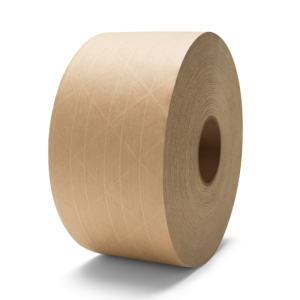
Water-Activated Tape: The Most Eco-Friendly Choice for Box Sealing

When companies focus on sustainable packaging, they often consider the type of box or filling material. However, one crucial element is frequently overlooked: tape. While plastic tape is commonly used, there are more sustainable alternatives.

The most eco-friendly option? Water-activated tape. Discover why this is the smartest choice!

1. What is Water-Activated Tape?

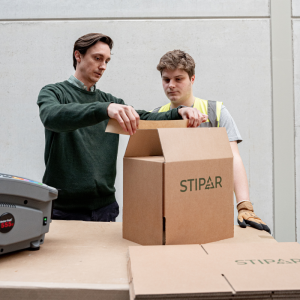
Water-activated tape is both simple and innovative. It consists of a kraft paper backing coated with a plant-based adhesive that activates when exposed to water. This process is triggered using a specialized dispenser that moistens the tape and cuts it to the desired length.

Since the tape is entirely paper-based, it can be easily recycled along with a cardboard box. This simplifies waste sorting and increases the chances of repurposing valuable materials.

2. Five Key Benefits of Water-Activated Tape

Water-activated tape offers much more than just sealing a box. Here are five key advantages:

Strong Adhesion
The tape bonds with the cardboard, creating a strong and secure seal. Often, a single layer is sufficient, reducing tape usage.

Tamper-Resistant
Once applied, the tape leaves visible marks if removed, deterring unauthorized opening.

Sustainable & Recyclable
Made from natural, renewable materials. The adhesive consists of potato starch, while the backing is paper-based, making it fully recyclable along with cardboard.

Aesthetic & Customizable
Seamlessly blending with the box, it offers a clean and professional look. It can also be printed on, making it perfect for branding or informational purposes.

Efficient & Practical
Used with a dispenser, it ensures quick and waste-free application. Plus, it keeps hands clean due to its mess-free adhesive.

3. Why Not Use Plastic Tape?

While some plastic tapes are recyclable, they are still less sustainable than paper-based alternatives. Here are some drawbacks:

Less Eco-Friendly – Difficult to recycle and contributes to plastic waste.
Higher Consumption – Often requires multiple layers for a secure seal.
Weaker Adhesion on Recycled Cardboard – Less effective on rough or dusty surfaces.

4. Choosing the Right Water-Activated Tape

Water-activated tape is available in different options:

  • Standard: Ideal for lighter boxes.
  • Reinforced: Contains extra fibers for heavier packages and increased tear resistance.

5. The Role of a Dispenser

A dispenser makes using water-activated tape faster and more efficient. Choose from manual, semi-automatic, or electric models based on your needs.

6. Alternative: Self-Adhesive Paper Tape

For those who prefer a tape that doesn’t require water activation, self-adhesive paper tape is a great option. Benefits include:

  • More sustainable than plastic tape.
  • Writable and printable.
  • Moisture-resistant, ideal for shipping.

Although self-adhesive paper tape does not bond as strongly as water-activated tape, it remains a great alternative to plastic tape.

Conclusion: Water-activated tape is a strong, secure, and eco-friendly packaging solution. Make the switch to sustainable tape and reduce your environmental footprint!

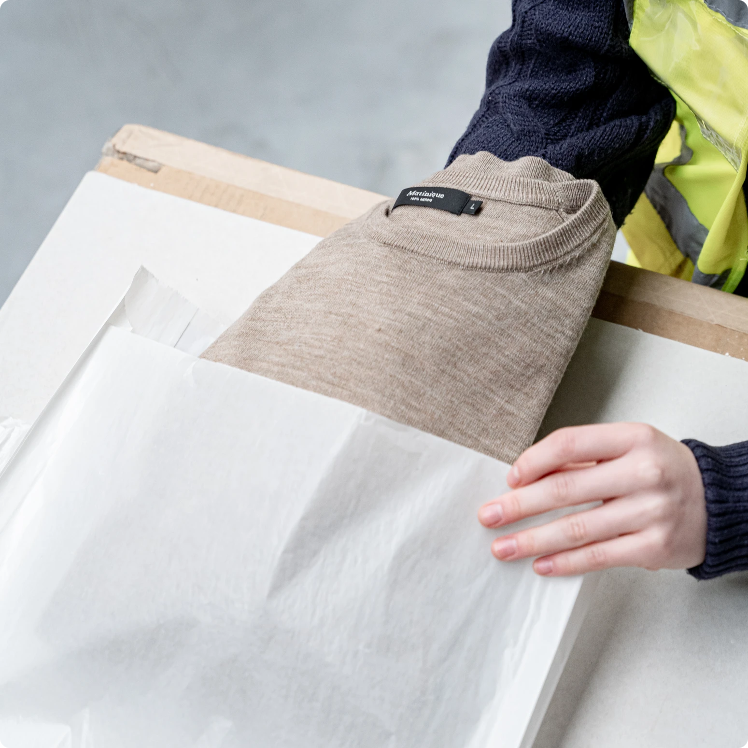
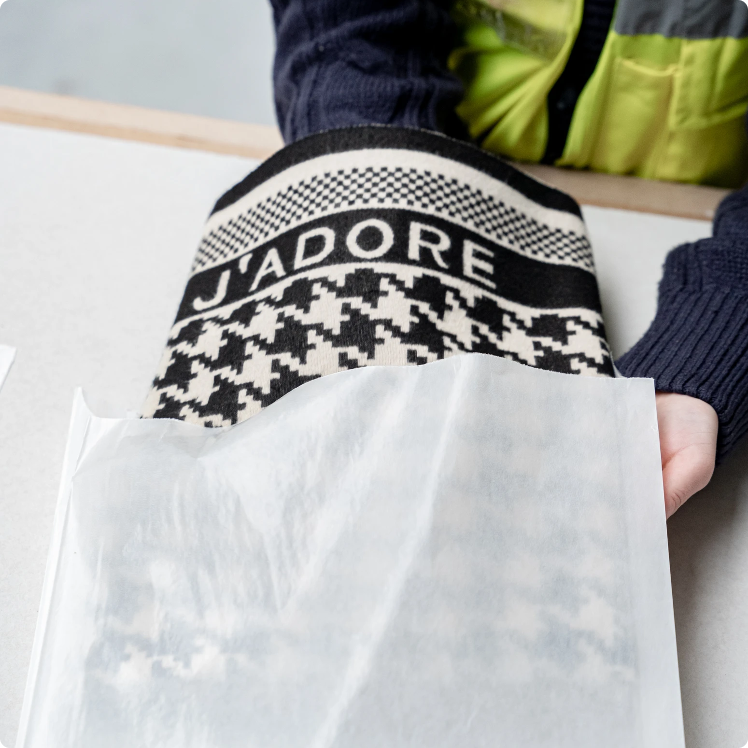
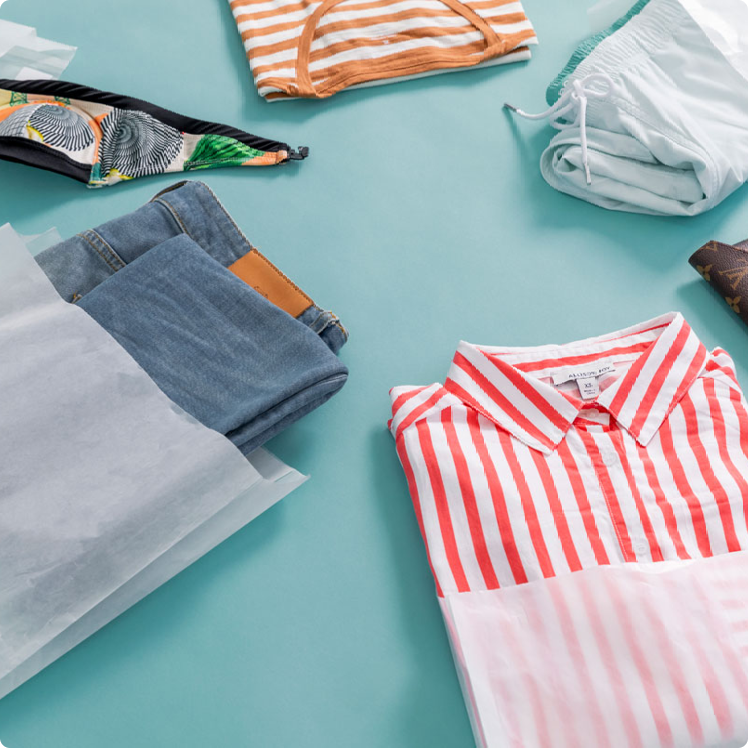
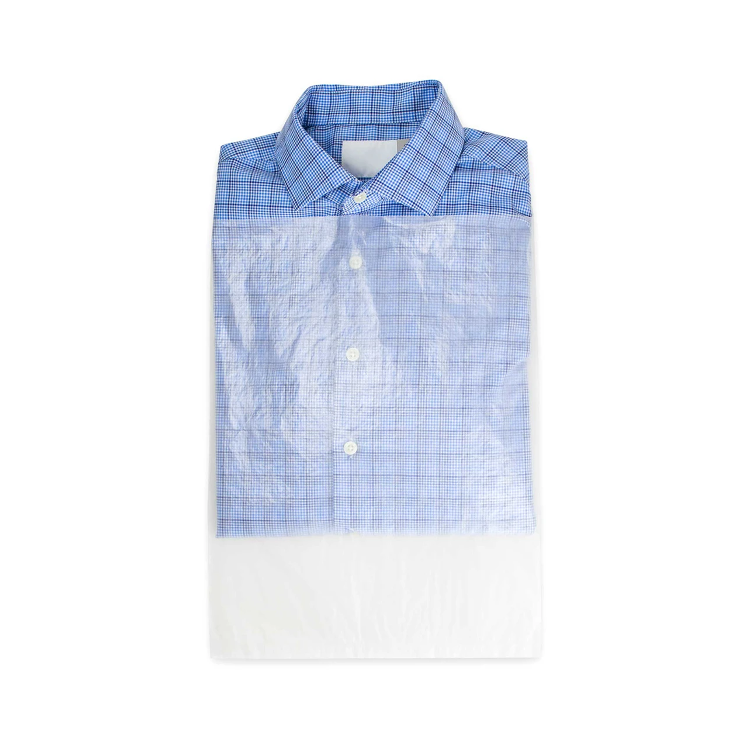
Say No to Plastic Polybags! Say YES to our Crystal paper bags!

Crystal Paper Bags vs. Plastic Poly Bags: An Environmentally Conscious Choice

Introduction:

In a time where sustainability is of utmost importance, the choice of packaging materials plays a crucial role for both businesses and consumers. An increasing number of enterprises are opting for crystal paper bags instead of traditional plastic poly bags. Let’s delve into some considerations that define this shift towards eco-friendliness.

1. Environmental Friendliness:

Crystal paper bags are an environmentally conscious choice due to their biodegradability and recyclability. In contrast to plastic, which burdens nature with slow-degrading waste, paper contributes to waste reduction and promotes a circular economy.

2. Renewable Resources:

Paper is made from renewable sources, such as trees that can be replanted. This sustainable approach stands in stark contrast to plastic, often produced from non-renewable fossil fuels. Opting for paper thus contributes to the preservation of our natural resources.

3. Image and Marketing:

Companies transitioning to environmentally friendly packaging materials, including crystal paper bags, can benefit from a positive image. Consumers increasingly appreciate businesses actively contributing to sustainability, fostering loyalty and positive word-of-mouth advertising.

4. Legislation and Regulations:

With growing concerns about environmental issues, some regions have introduced stricter regulations regarding the use of plastic bags. Companies complying with these regulations by switching to paper alternatives not only demonstrate compliance but also showcase a responsible approach to their operations.

Conclusion:

The choice between crystal paper bags and plastic poly bags goes beyond simple packaging preferences; it involves sustainability, environmental impact, and socially responsible business practices. Companies and consumers making the switch to more environmentally friendly options, such as paper bags, contribute to a greener future, emphasizing that small changes can have a significant impact on our environment.

Discover the specifications of our Crystal Paper Bags:

Crafted from Sustainable FSC-certified paper, our Crystal Paper Bags embody eco-consciousness with every use.

And one crucial aspect for us: our bags are 100% recyclable, ensuring a sustainable end-of-life cycle.

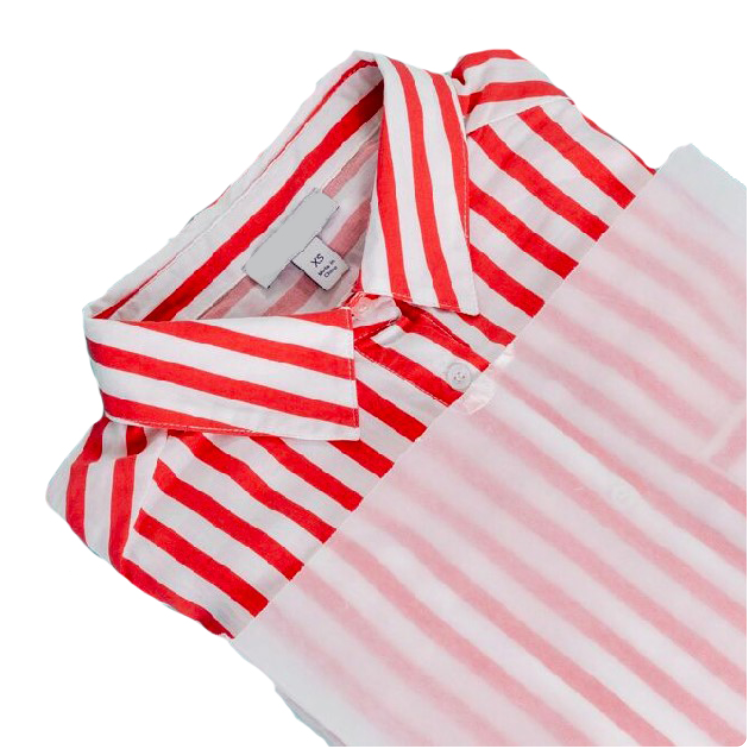
Their half-transparency facilitates easy barcode scanning while maintaining a stylish appeal.

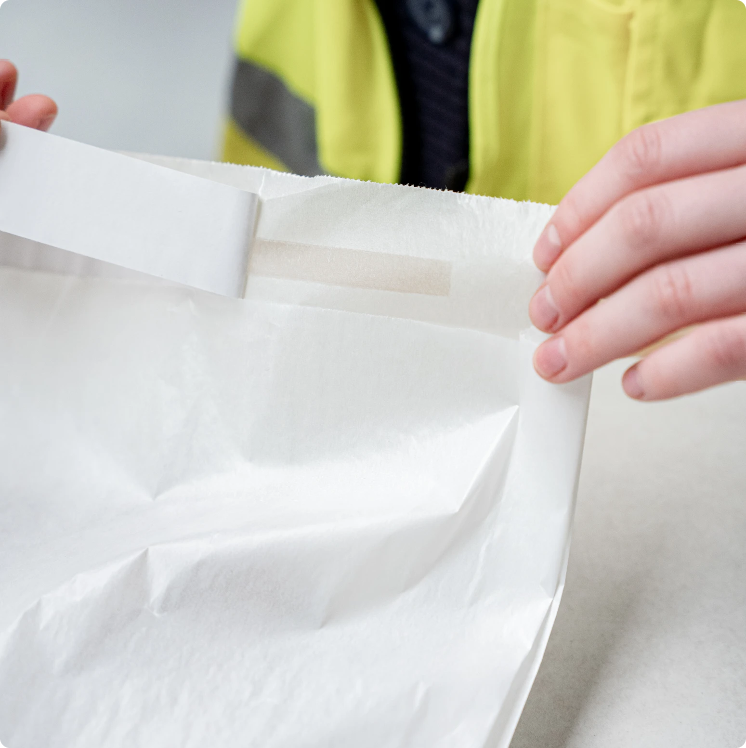
Featuring a resealable seal strip for effortless closure and reusability, they offer both convenience and environmental responsibility.

These bags cater to diverse packaging needs.

For added functionality, ventilation holes are optional, ensuring that your items stay fresh while in transit.

Our Crystal Paper Bags are designed to remain flat, making them ideal for efficient storage and shipping.

You can customize the paper bags and have them printed. Printing is available for orders starting from 50,000 units.

Available in various sizes

  • 10x15cm
  • 15x20cm
  • 20x25cm
  • 25x30cm
  • 30x40cm
  • 35x50cm
  • 40x60cm
  • 50x75cm

Make the environmentally friendly choice today with our Crystal Paper Bags, where sustainability meets practicality.

Together On the Path to Sustainable Packaging: New Rules and Opportunities for Your Business

At STIPAR, we understand the growing concern about the impact of packaging on the environment and our planet. Therefore, we want to keep you informed about the latest developments in regulations concerning plastics and recycled materials, as well as the opportunities this presents for your business to make a positive impact.

Plastic Packaging and Recycled Materials: What You Need to Know?

In the coming years, stricter standards will be introduced regarding the use of plastic and recycled materials in packaging. Here are some key points to consider:

1. Minimum Recycled Material Content: Starting from January 1, 2030, packaging must contain a minimum percentage of recycled material, depending on the type of packaging. This varies from 10% to 35%, depending on the type of plastic and its application.

2. Future Goals: By 2040, requirements for recycled material content will further increase, with percentages reaching up to 65% for certain types of packaging. This encourages the transition to more sustainable materials.

3. Exceptions: There are some exceptions to this regulation for specific medical and pharmaceutical packaging and compostable packaging.

Opportunities for Your Business

These new regulations offer numerous opportunities for your business:

1. Sustainability Image: By meeting or exceeding these standards, you can position your company as a leader in sustainability.

2. Cost Savings: The use of recycled materials can lead to long-term cost savings and improve the efficiency of your production process.

3. Customer Loyalty: Consumers appreciate companies committed to sustainability, which can result in more loyal customers and new business opportunities.

4. Innovation: Pursuing sustainable packaging solutions can drive innovation in product design and packaging materials.

How STIPAR Can Assist You

We are committed to supporting you in this transition to more sustainable packaging.

Our range already includes recycled and eco-friendly packaging materials, and we continue to invest in new solutions.

Here are a few examples of sustainable products:

  • Use gummed tape instead of plastic tape:

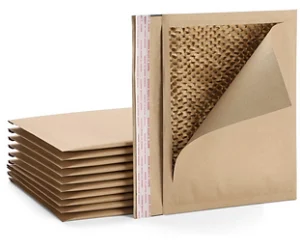
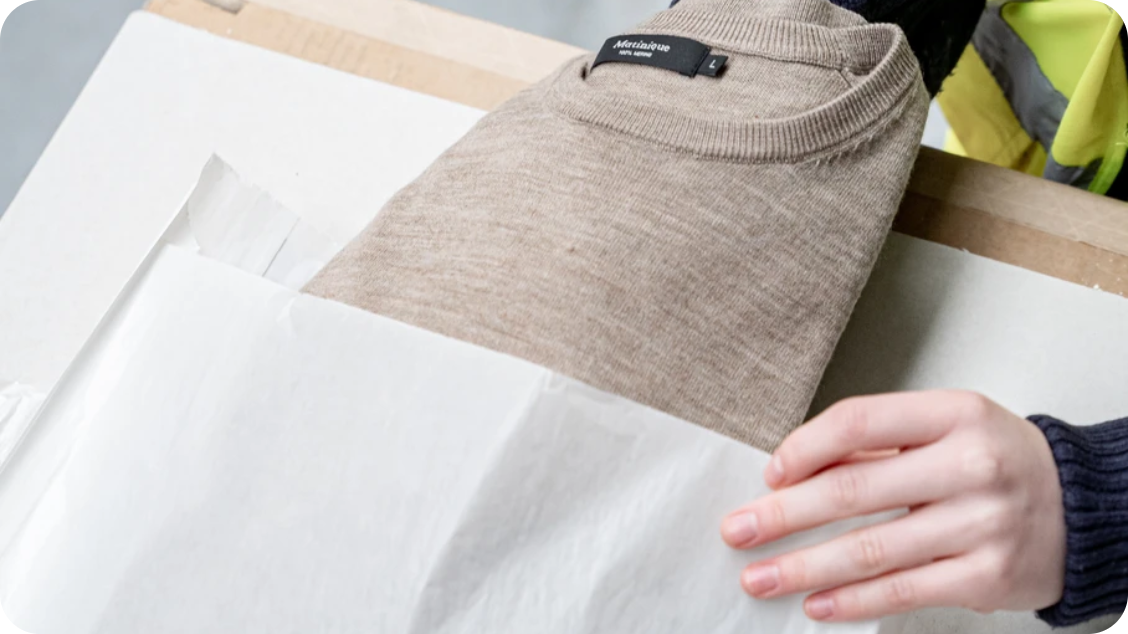
  • Use paper honeycomb envloppes instead of plastick bubble envloppes:

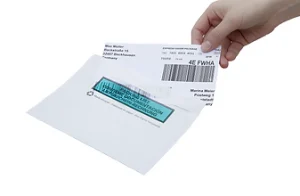
  • Use paper packaging list instead of plastick packaging list:

  • Use paper filling instead of plastic air:


Contact STIPAR today to discuss how we can collaborate to achieve your sustainability goals and comply with the new regulations.

Together, we can make a positive impact on the environment and build a more sustainable future. Let’s embark on this journey together.

Enquiry Cart ×
Loading....